
December 13, 2022
|7 min read

Xylitol is a sugar alcohol that is found naturally in many fruits and vegetables. It has a sweetness similar to sugar but with significantly fewer calories and a much lower glycemic index. This makes it an attractive alternative for people looking to reduce their sugar intake without sacrificing sweetness.
One of the most remarkable benefits of xylitol is its ability to help prevent tooth decay. Unlike sugar, which feeds the bacteria in your mouth that cause cavities, xylitol actually inhibits the growth of these harmful bacteria. Streptococcus mutans, the primary bacteria responsible for tooth decay, cannot metabolize xylitol, so it effectively starves these bacteria and reduces their ability to produce the acid that erodes tooth enamel.
Beyond dental health, xylitol has been associated with other health benefits. Research suggests that xylitol may help improve bone density by increasing calcium absorption. Some studies have also found that xylitol can help prevent ear infections in children by inhibiting the growth of bacteria in the upper respiratory tract.
Xylitol was first discovered by the German chemist Emil Fischer in the late 19th century. However, it wasn't widely used until the 1960s when the Finnish company Hankintatukku began producing xylitol-sweetened products. Finland became a pioneer in xylitol research, conducting extensive studies on its dental benefits. The famous Turku Sugar Studies in the 1970s demonstrated that replacing sugar with xylitol significantly reduced the incidence of cavities, bringing xylitol to international attention as a dental health tool.
While xylitol is generally safe for human consumption, there are some important cautions to be aware of. Xylitol is extremely toxic to dogs. Even small amounts can cause a rapid release of insulin in dogs, leading to dangerous hypoglycemia, seizures, liver failure, and even death. If you use xylitol products, keep them well out of reach of pets.
In humans, consuming large amounts of xylitol can cause digestive upset, including bloating, gas, and diarrhea. Most people can tolerate moderate amounts without problems, but it's best to introduce xylitol into your diet gradually. Some individuals may also have allergies or sensitivities to sugar alcohols, so it's worth paying attention to how your body reacts.
Xylitol is actually slightly less sweet than regular sugar, by about 5%. However, most people find the difference negligible, and xylitol provides a cooling sensation in the mouth that many find pleasant. With about 40% fewer calories than sugar and a glycemic index of just 7 compared to sugar's 65, xylitol offers a significant advantage for those watching their caloric intake or managing blood sugar levels.
If you're looking for a healthier alternative to sugar that also benefits your dental health, xylitol is worth considering. Talk to your dentist about how incorporating xylitol products, such as xylitol gum or mints, into your daily routine can help protect your teeth.
FAQ
Find answers to the most common questions about our dental services.
Research suggests that consuming 6 to 10 grams of xylitol per day, spread across three to five exposures, provides optimal dental benefits. This is roughly equivalent to chewing two pieces of xylitol gum after each meal. Consistent daily use is key for cavity prevention.
Xylitol can be found in sugar-free chewing gum, mints, toothpaste, mouthwash, and some sugar-free candies. It is also available as a granulated sweetener for cooking and baking. When shopping, check the ingredients list to ensure xylitol is listed as a primary sweetener rather than a minor ingredient.
Yes, xylitol is generally safe for children and can help prevent cavities in developing teeth. Studies have shown that children who regularly use xylitol products have significantly fewer cavities. However, as with any sweetener, it should be consumed in moderation, and parents should supervise young children to prevent overconsumption.
December 31, 2021
|4 min read
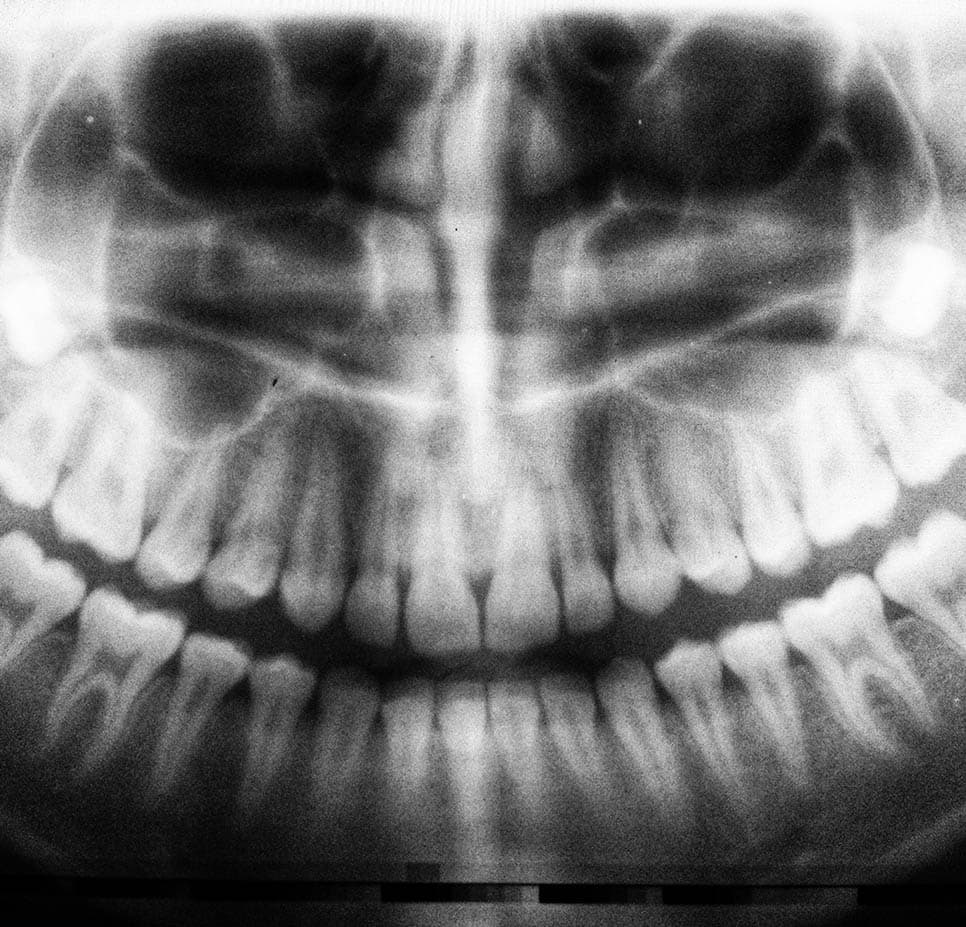
Are you a chronic teeth-grinder? If so, you're not alone. Many people grind their teeth, often without even realizing it.

December 31, 2021
|5 min read
Whether you already have white teeth or you've just completed a whitening treatment, keep in mind that even the most diligently oral health minded people will experience yellowing over time.