
December 31, 2021
|4 min read
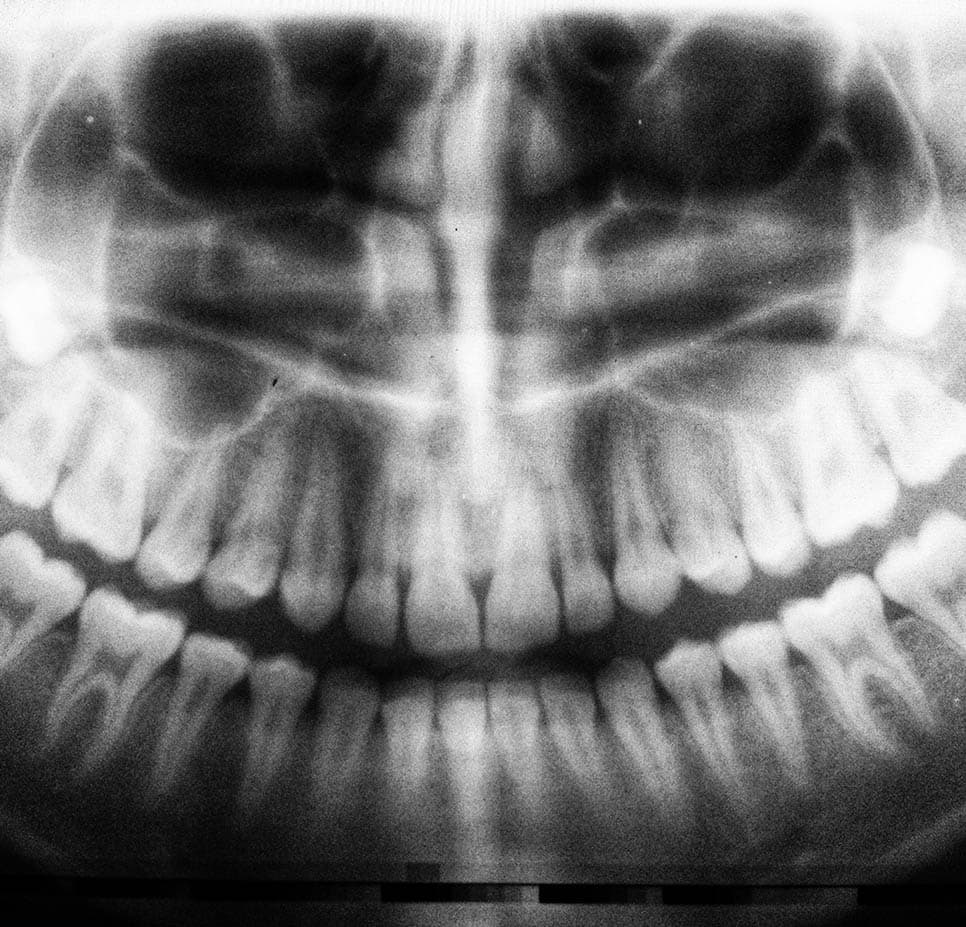
Are you a chronic teeth-grinder? If so, you're not alone. Many people grind their teeth, often without even realizing it. Teeth grinding, also known as bruxism, can lead to a host of dental problems, including worn-down teeth, jaw pain, and headaches. But the good news is that there are steps you can take to stop grinding your teeth and protect your oral health.
Here are five tips to help you stop grinding your teeth:
Teeth grinding is often caused by stress and anxiety. If you find yourself clenching or grinding your teeth during the day, try to identify the source of your stress and find healthy ways to manage it. Exercise, meditation, and deep breathing exercises can all help reduce stress and tension.
Believe it or not, your posture can have an impact on teeth grinding. Poor posture can lead to tension in the muscles of the jaw, neck, and shoulders, which can contribute to bruxism. Try to maintain good posture throughout the day, keeping your head, neck, and spine aligned.
Chewing on pens, pencils, or other non-food items can train your jaw muscles to clench, making you more likely to grind your teeth. If you have a habit of chewing on non-food items, try to break the habit by replacing it with a healthier alternative, such as chewing sugar-free gum.
If you grind your teeth at night, a mouthguard can help protect your teeth from damage. Your dentist can create a custom-fitted mouthguard that is comfortable to wear and provides the best protection. Over-the-counter mouthguards are also available, but they may not fit as well or provide as much protection as a custom-made one.
Relaxation techniques, such as progressive muscle relaxation and biofeedback, can help reduce the muscle tension that contributes to teeth grinding. Your dentist or healthcare provider can recommend specific techniques that may be helpful for you.
If you're struggling with teeth grinding, don't hesitate to reach out to our office. We can help you find the right solution to protect your teeth and improve your overall oral health.
FAQ
Find answers to the most common questions about our dental services.
Common symptoms include jaw pain or soreness, headaches (especially in the morning), worn or flattened teeth, tooth sensitivity, and tight or tired jaw muscles. Some people also experience earaches or facial pain.
A custom night guard creates a protective barrier between your upper and lower teeth, preventing them from grinding against each other while you sleep. Unlike over-the-counter options, a custom guard is molded to fit your teeth precisely, offering better comfort and protection.
You should see a dentist if you notice worn, chipped, or cracked teeth, persistent jaw pain, frequent morning headaches, or if a partner tells you they hear you grinding at night. Early intervention can prevent more serious dental damage.

December 31, 2021
|5 min read
Whether you already have white teeth or you've just completed a whitening treatment, keep in mind that even the most diligently oral health minded people will experience yellowing over time.
December 31, 2021
|6 min read
Whether you already have white teeth or you've just completed a whitening treatment, keep in mind that even the most diligently oral health minded people will experience yellowing over time.